Introduction
In today's quickly evolving food industry, organizations are seeking lasting options to satisfy the expanding demand for quality food products while lessening their environmental influence. Contract food manufacturing has become a practical choice for business wanting to outsource their production needs while keeping control over item development as well as quality assurance. This post checks out the idea of contract food manufacturing in Australia as well as its role in advertising sustainability within the food industry.
The Rise of Contract Food Manufacturing in Australia
Understanding Contract Food Manufacturing
Contract food production is a critical partnership in between a brand proprietor and also an agreement maker, where the last creates items on behalf of the former. This plan allows brand name owners to concentrate on marketing, item growth, and circulation while leveraging the competence and also resources of specialized contract manufacturers.
Benefits of Contract Food Manufacturing
Cost Performance: Contract food manufacturing gets rid of the need for substantial capital expense in framework, equipment, and also manpower. This cost-saving step enables brand names to assign their resources towards various other critical areas of organization growth. Scalability: As demand for a specific product rises and fall, contract manufacturers can rapidly adjust production degrees to fit market requirements. This versatility makes certain that brands can fulfill customer need without excess inventory or wastage. Expertise and also Technology: Contract producers frequently possess comprehensive knowledge as well as experience in particular food groups or processes. By teaming up with these specialists, brands can tap into their creative thinking as well as harness ingenious options for item growth and also improvement. Quality Assurance: With rigorous quality control procedures in position, agreement suppliers stick to market requirements as well as governing requirements. This dedication to quality makes sure that brands deliver secure as well as high-quality products to customers consistently. Supply Chain Administration: Contract food manufacturing simplifies the supply chain by settling manufacturing, packaging, labeling, and circulation under one roofing system. This incorporated strategy minimizes logistical complexities and also boosts general functional efficiency.The Environmental Impact of Agreement Food Manufacturing
Reducing Carbon Footprint
Contract food production provides possibilities to decrease the environmental impact of food production via numerous ways:

Embracing Renewable Energy
Contract food manufacturing facilities in Australia are progressively taking on renewable energy sources to power their procedures. Photovoltaic panel, wind generators, and also other tidy power solutions help in reducing dependence on fossil fuels as well as add to a greener future for the industry.
Addressing Sustainability Difficulties in Agreement Food Manufacturing
Waste Administration and also Recycling Initiatives
Contract food makers focus on waste monitoring with comprehensive recycling programs as well as waste reduction techniques. By implementing efficient waste segregation systems, companies can divert substantial amounts of waste from garbage dumps and promote a circular economy.
Water Preservation Measures
Water deficiency is an international worry, as well as agreement food makers play their part in resolving this challenge. Firms buy water-saving innovations, such as sophisticated purification systems and also water reuse efforts, to lessen their freshwater consumption.
Collaboration with Lasting Suppliers
Contract food makers actively seek collaborations with suppliers committed Contract food processing standards to sustainable methods. By prioritizing ecologically conscious providers, these companies make sure that their entire supply chain lines up with sustainability goals.

FAQs
What is contract food manufacturing? Contract food manufacturing refers to the outsourcing of food production to specialized suppliers who create items in behalf of brand owners.
How can contract food manufacturing benefit organizations? Contract food manufacturing offers cost efficiency, scalability, experience, as well as quality assurance to brand names seeking to concentrate on marketing and also distribution.
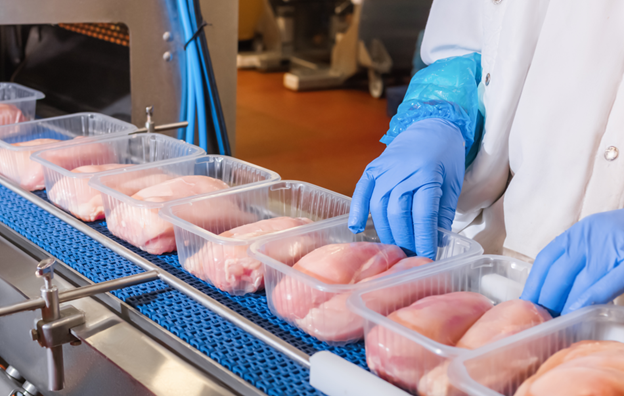
How does contract food manufacturing advertise sustainability? By optimizing resource usage, accepting renewable energy, and implementing waste monitoring as well as recycling efforts, contract food manufacturing minimizes its ecological impact.
What are some lasting packaging alternatives in contract food manufacturing? Environmentally friendly packaging products such as eco-friendly or recyclable alternatives are frequently used in contract food manufacturing to decrease waste.
How do contract food makers preserve water? Contract food suppliers invest in water-saving innovations and carry out water reuse campaigns to reduce their freshwater consumption.
What function does collaboration with sustainable providers play in contract food manufacturing? By partnering with eco mindful vendors, contract food suppliers make certain that their whole supply chain aligns with sustainability goals.
Conclusion
Contract food production provides a lasting solution for organizations looking for to meet the expanding demand for high quality foodstuff while decreasing their environmental influence. By leveraging the competence of specialized suppliers as well as embracing green methods, brand names can contribute to a greener future for the Australian food market. Welcoming sustainability not just benefits the setting but also boosts brand name track record and customer count on a progressively aware market.